Prices are estimates. How we get them
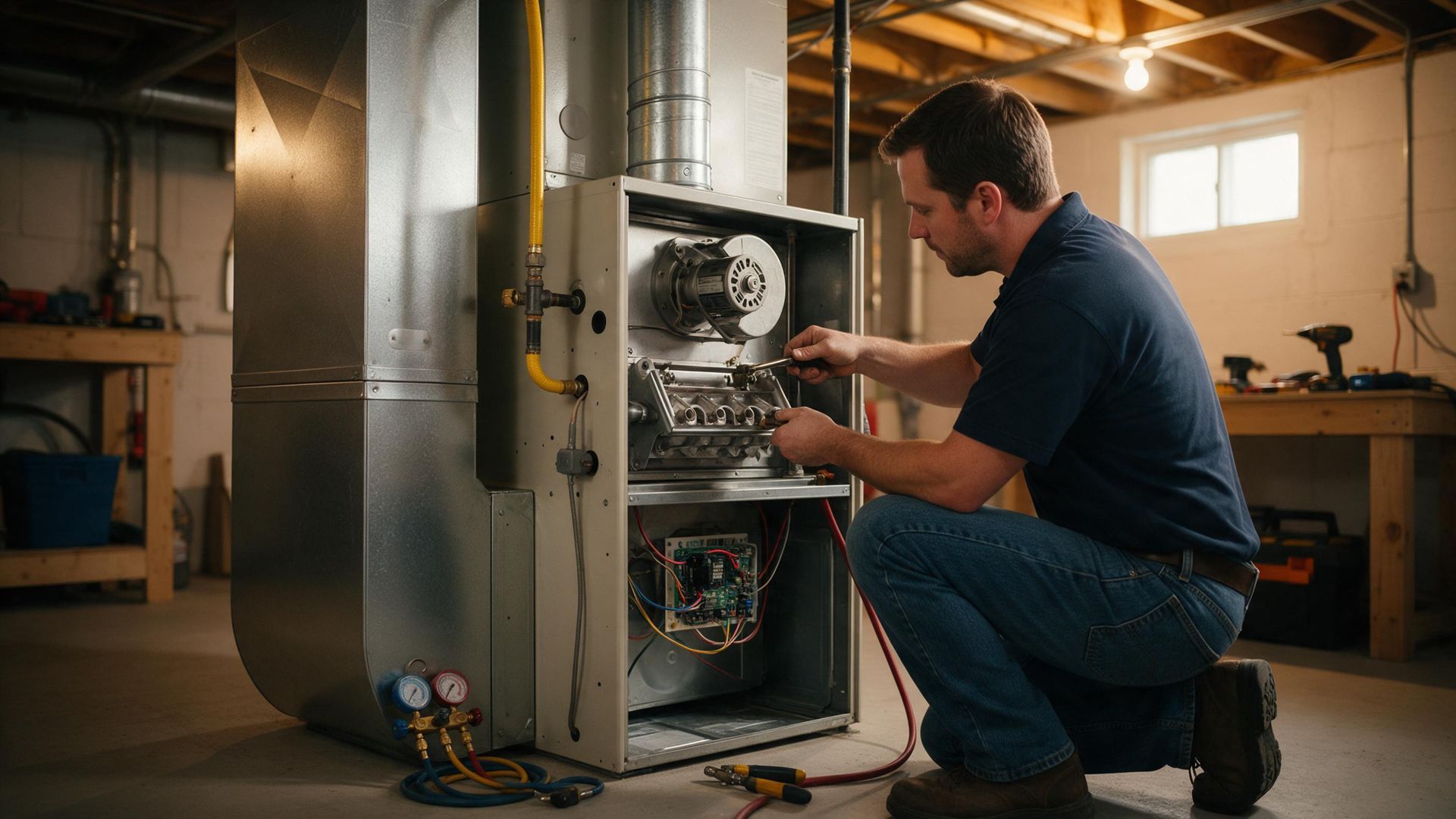
Furnace and air conditioning repair and replacement serving Des Moines, West Des Moines, Ankeny, and Urbandale. Local crew, honest quotes, fast response.
Call Get a free quoteLocal pros handle heating and cooling across Des Moines and the surrounding Polk County area. From older neighborhoods like Beaverdale and Sherman Hill to newer homes in South of Grand and West Des Moines, our local crew does the job start to finish.
Des Moines sits along the Des Moines and Raccoon rivers, with rolling ground and many older homes. The area sees subzero winter cold, humid summer heat, and severe spring storms, and that weather is hard on furnaces and air conditioners, which work hard through long winters and humid summers.
Local pros give written quotes before work starts, and you can ask each one about insurance and cleanup.
Fast help when your furnace won't start, blows cold air, or cycles on and off.
High-efficiency gas furnaces sized correctly for your home.
Fixing weak cooling, warm air, leaks, and noisy outdoor units.
New central air conditioners and heat pumps installed to code.
Cleaning and safety checks that help systems run efficiently and last longer.
Smart thermostats, humidifiers, and air filtration.
Winters here are long and cold, and summers can be hot and humid. Your furnace and air conditioner work hard, and when one stops working, it matters fast. Local pros help homeowners across Polk County, from Beaverdale and Sherman Hill to Waterbury and nearby towns like West Des Moines and Ankeny.
Local pros repair, maintain, and replace furnaces, air conditioners, and heat pumps. A local pro will explain what's wrong, give you honest options, and help you decide whether a repair or a new system makes more sense.
Every job starts with a clear written price. No pressure, no surprises.
Furnaces that won't start or blow cold air.
Short cycling, where the system turns on and off too often.
Air conditioners that run but don't cool.
Noisy blowers and outdoor units.
High energy bills from old or poorly maintained systems.
Uneven temperatures between rooms and floors.
Tell us what's going on using the form. A local pro will schedule a visit, diagnose the problem, and explain your options with clear prices. If you need a new system, a local pro will measure your home to size it correctly and help you compare efficiency options.
Seasonal tune-ups help catch small problems before they become breakdowns and help systems last longer.
Des Moines sits along the Des Moines and Raccoon rivers, with rolling ground and many older homes. The area sees subzero winter cold, humid summer heat, and severe spring storms. Those swings put real strain on equipment. A furnace that struggles in November may fail on the coldest night of the year. An AC that barely keeps up in June may quit in July.
Changing filters regularly, keeping outdoor units clear, and scheduling yearly service are the best ways to avoid breakdowns.
Look for licensed, insured technicians who explain the problem clearly and give written prices. Ask how they size new systems and what warranties cover.
That's how local pros work on every job, from a furnace repair in Drake to a full system replacement near Urbandale.

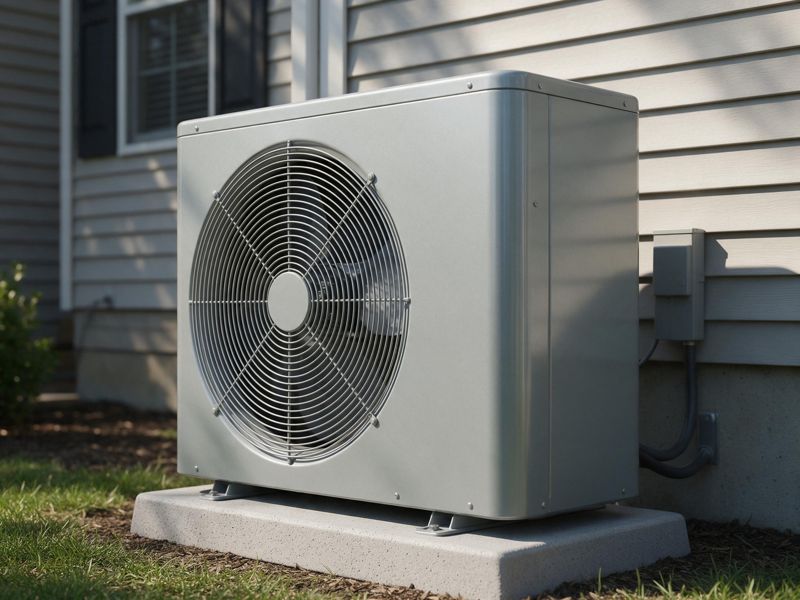
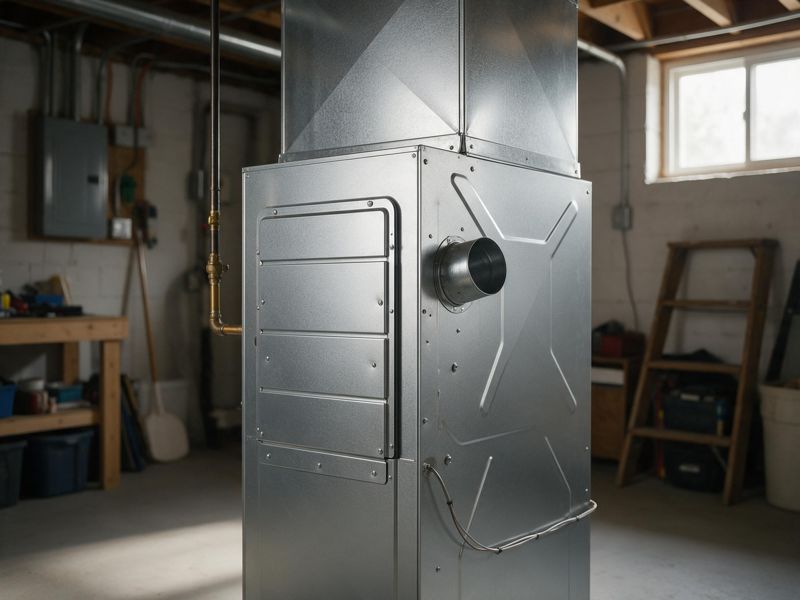
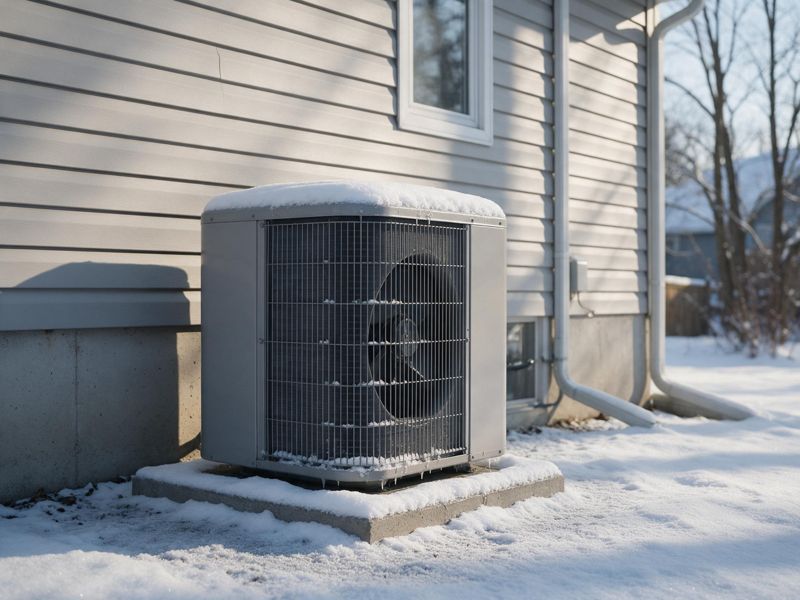
Furnace and AC repairs in the Des Moines area often cost about $150 to $600, depending on the part. A new high-efficiency furnace installed usually runs about $4,000 to $8,000, and a new central air conditioner often costs about $4,500 to $9,000. Tune-ups usually cost about $90 to $200. A local pro will give you clear options and a written price first.
Once a year for each is a good rule. Many homeowners schedule the furnace in fall and the AC in spring.
Many furnaces last about 15 to 20 years with regular maintenance.
Common causes include a dirty filter, an ignition problem, or a thermostat setting. A technician can find the cause quickly.
If the system is old and repairs are frequent or expensive, replacement often saves money over time.
The right size depends on your home's size, insulation, and windows. Local pros measure before recommending a system.
Contact us any time. Local pros prioritize no-heat calls during cold weather.
A replacement system should be sized for the house, not chosen only by the size of the old equipment. A contractor can account for the home’s floor area, insulation, windows, air leakage, and layout when estimating heating and cooling needs. Ask what information was used to select the equipment. Reusing an old system’s capacity without checking the home can lead to poor comfort and unnecessary energy use.
Ductwork affects how well a new furnace or air conditioner performs. Leaks, crushed sections, blocked returns, or ducts that are too small can limit airflow even when the equipment is correctly sized. Ask whether the quote includes checking accessible ducts and airflow. If rooms are consistently uncomfortable, describe when and where it happens so the contractor can look for distribution problems, not just equipment problems.
Compare written quotes by checking what each includes: equipment capacity and efficiency, removal of old equipment, duct changes, controls, startup checks, and any work that may be needed to meet applicable requirements. Ask who handles permits if they are required for the project. A lower total may leave out necessary work, so compare the scope and equipment details as well as the final price.
If the air conditioner runs but cooling drops off, check that the thermostat is set to cooling and that the filter is not visibly clogged. Make sure supply vents and return grilles are open and not covered by furniture. If these checks do not help, note whether the outdoor unit is running and whether airflow indoors has changed. That information can help a technician narrow down the cause.
A frozen indoor coil can result from restricted airflow or a system problem. If you see ice on refrigerant lines or the indoor unit, turn cooling off rather than letting the system continue to run. The indoor fan may be able to run without cooling to help thaw the coil, but follow the equipment instructions. Do not chip away ice or keep restarting a system that freezes again.
Water near the indoor equipment may come from a blocked condensate drain, but other causes are possible. Turn off the system if water is spreading or could reach electrical components, and arrange an inspection. Refrigerant is part of a sealed system; low refrigerant can indicate a leak, not a routine need for topping off. A qualified service visit should identify the cause before refrigerant is added.
A heat pump moves heat rather than producing it by burning fuel. In cooling mode, it works much like an air conditioner; in heating mode, it moves heat indoors. Its performance and the home’s comfort depend on equipment selection, installation, and the outdoor conditions. Ask how the proposed system is expected to operate during cold weather and what backup heat, if any, is included.
Some heat pump systems use electric resistance backup heat, while other homes may have a separate furnace as part of a dual-fuel setup. Ask how the controls switch between the heat pump and backup heat, and how the thermostat should be set. The details affect comfort and energy use. Do not assume every thermostat setting works the same way across different system configurations.
Heat pumps may periodically enter a defrost cycle to clear frost from the outdoor coil. During defrost, the system can sound or operate differently for a short time, and some systems use backup heat to maintain indoor comfort. Keep the outdoor unit’s airflow path clear, but do not try to remove ice with tools. If ice remains or the system stops heating normally, arrange service.
It estimates how much heating and cooling a home needs based on factors such as size, insulation, windows, air leakage, and layout. The result helps guide equipment sizing. Ask whether a replacement recommendation is based on the home’s current conditions rather than simply matching the capacity of the old system.
Not automatically. Ducts in good condition and sized for the system may be reusable. Leaks, poor airflow, damaged sections, or an incompatible layout may need attention. Ask the contractor to explain any recommended duct repairs and how they affect comfort, airflow, and the overall project price.
Both move heat to cool a home. A heat pump can also reverse its operation to provide heat, while a conventional air conditioner does not provide heating. A home’s heating setup may use a heat pump alone or combine it with another heat source. Ask which arrangement suits your house and controls.
Ice can form when airflow is restricted or when the system has another operating problem. Turn off cooling and do not scrape or chip the ice. A clogged filter may be one factor, but repeated freezing needs diagnosis. Running the system while frozen can reduce cooling and may cause further trouble.
Air conditioners remove moisture from indoor air, and that water normally drains away through a condensate line. A blockage or another drainage problem can cause water to spill near the equipment. If water is spreading or near electrical parts, turn the system off and arrange service rather than opening equipment yourself.
Efficiency ratings describe how much heating or cooling a system provides relative to the energy it uses under specified test conditions. Compare the same type of rating across similar equipment, and ask how the proposed capacity and installation affect expected operation. A higher rating alone does not guarantee lower bills in every home.
Treat an alarm as a safety issue. Leave the home and contact emergency services or the appropriate local authority from outside. Do not re-enter until officials say it is safe. Have the heating equipment checked before using it again. Never rely on smell to determine whether carbon monoxide is present.
Consider the equipment’s age and condition, the repair needed, its recent repair history, and whether it keeps the home comfortable. Ask for a diagnosis and a written repair option alongside a replacement estimate when appropriate. Comparing the work included and expected operating needs can make the choice clearer without pressure.
Tell us what you need and where. We usually reply the same day.
Prefer to talk? Tap to call
No obligation and no pressure.
Des Moines Heating and Cooling is an independent referral service that connects you with local HVAC pros.
Open this site on your phone

Des Moines Heating and Cooling
desmoinesheatingcooling.us
Point your phone camera at the code